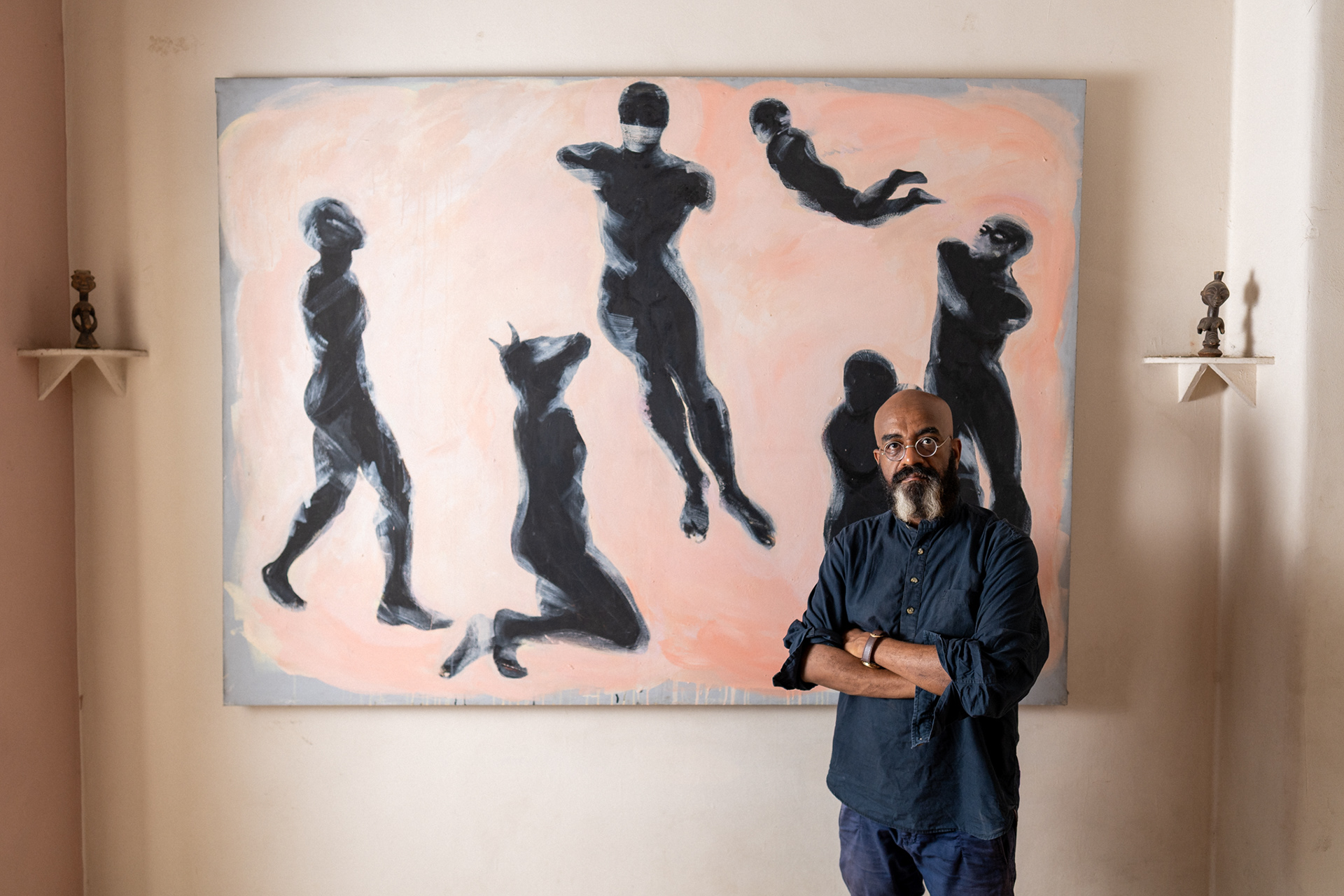
History is often written by those who hold power. Images are no different. For generations, Black identity in North Africa was documented through colonial archives, anthropological photography, and official narratives that reduced people to subjects rather than authors. Amado Alfadni has spent much of his career reversing that relationship, reclaiming the archive not to preserve it, but to question who had the right to create it in the first place.
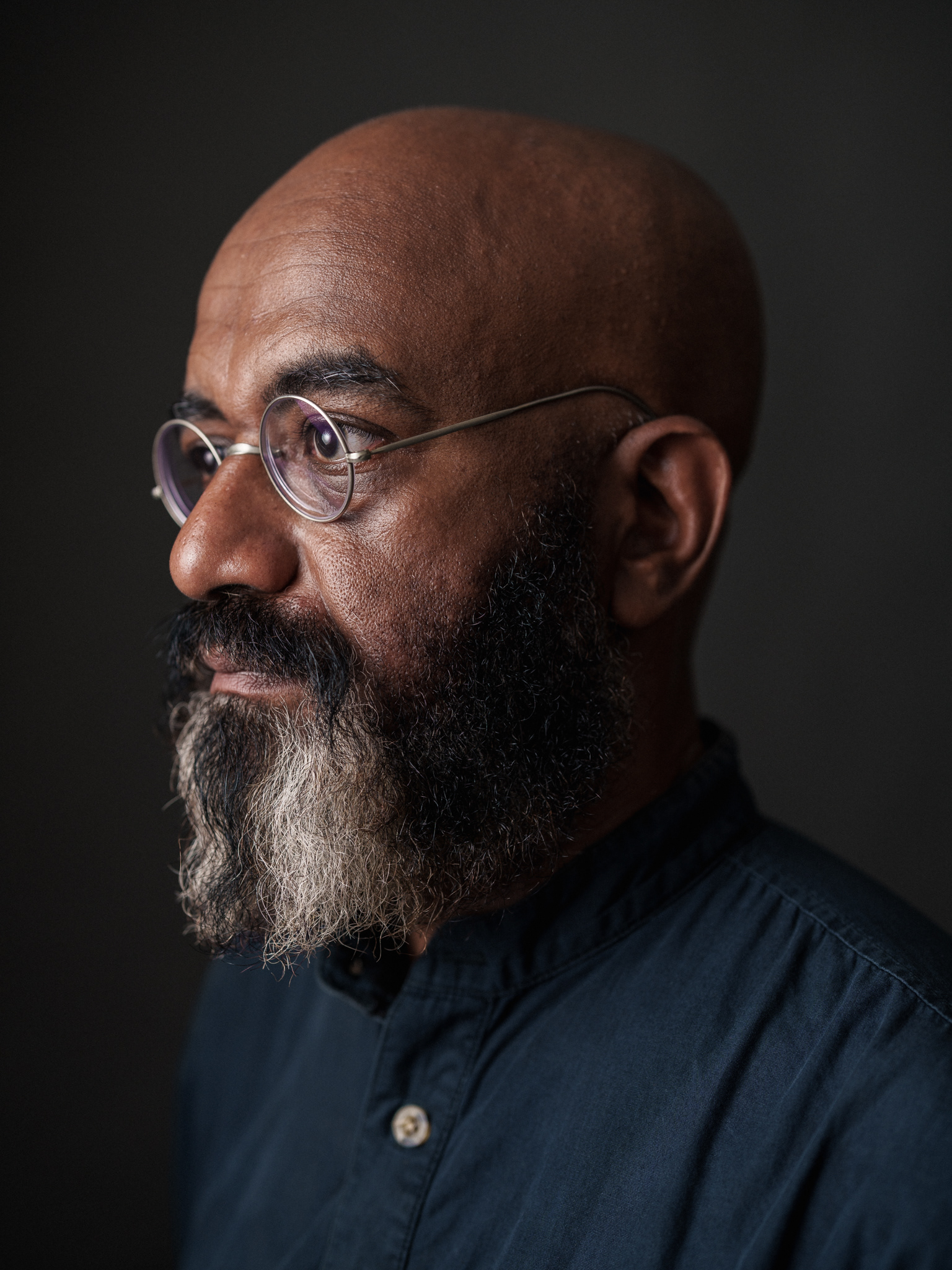
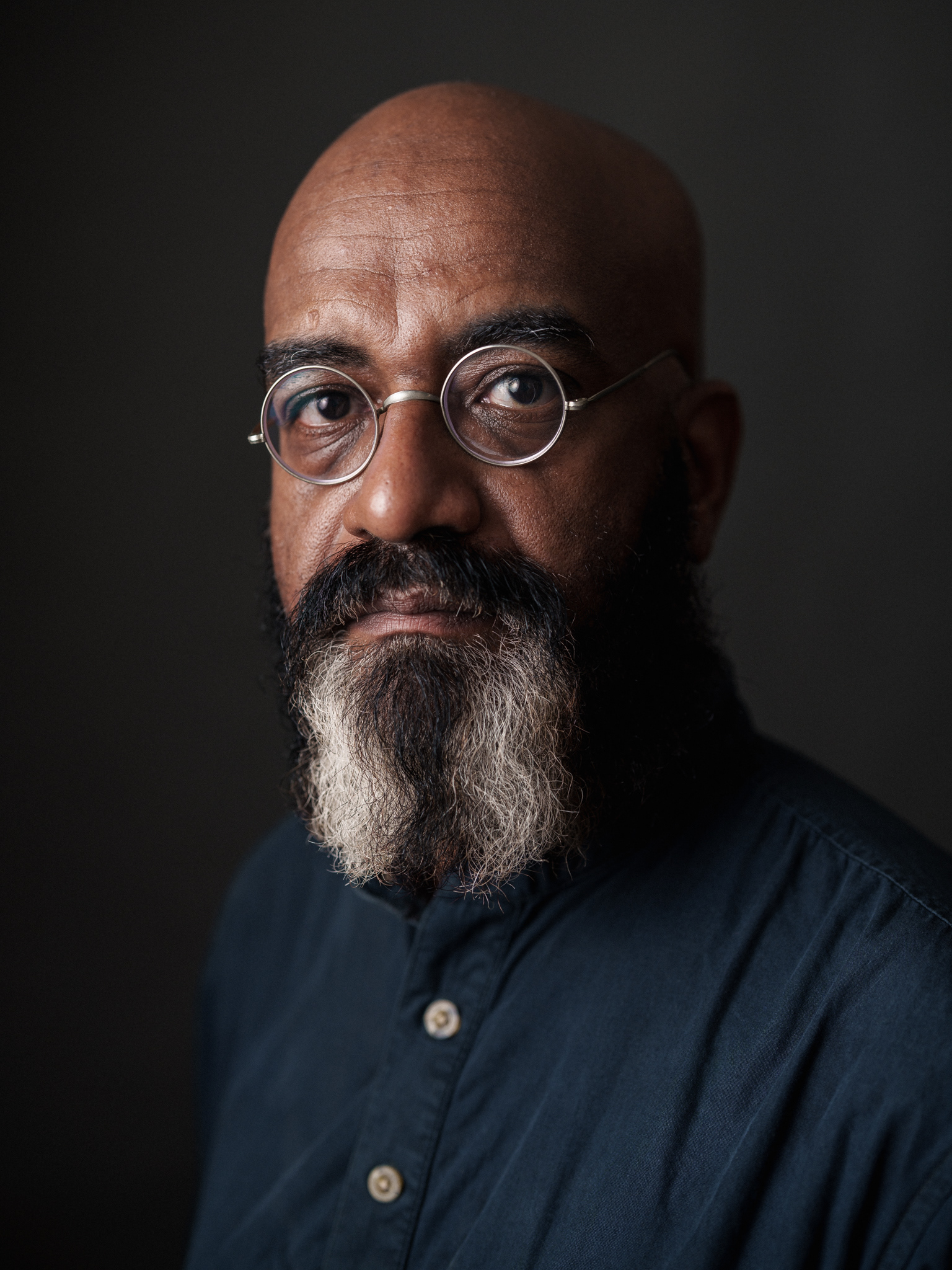
Raised in downtown Cairo between two homelands, Sudan in family memory and Egypt in everyday life, Amado has built a body of work that lives between identity, displacement, and historical memory. Through projects such as Black Ivory and The Alternative Museum of the Sudan, he revisits colonial photographs, military records, and forgotten histories, transforming them into new works that restore agency to those who were photographed but never allowed to tell their own stories. His work is less about the past than about who controls the way the past is remembered.
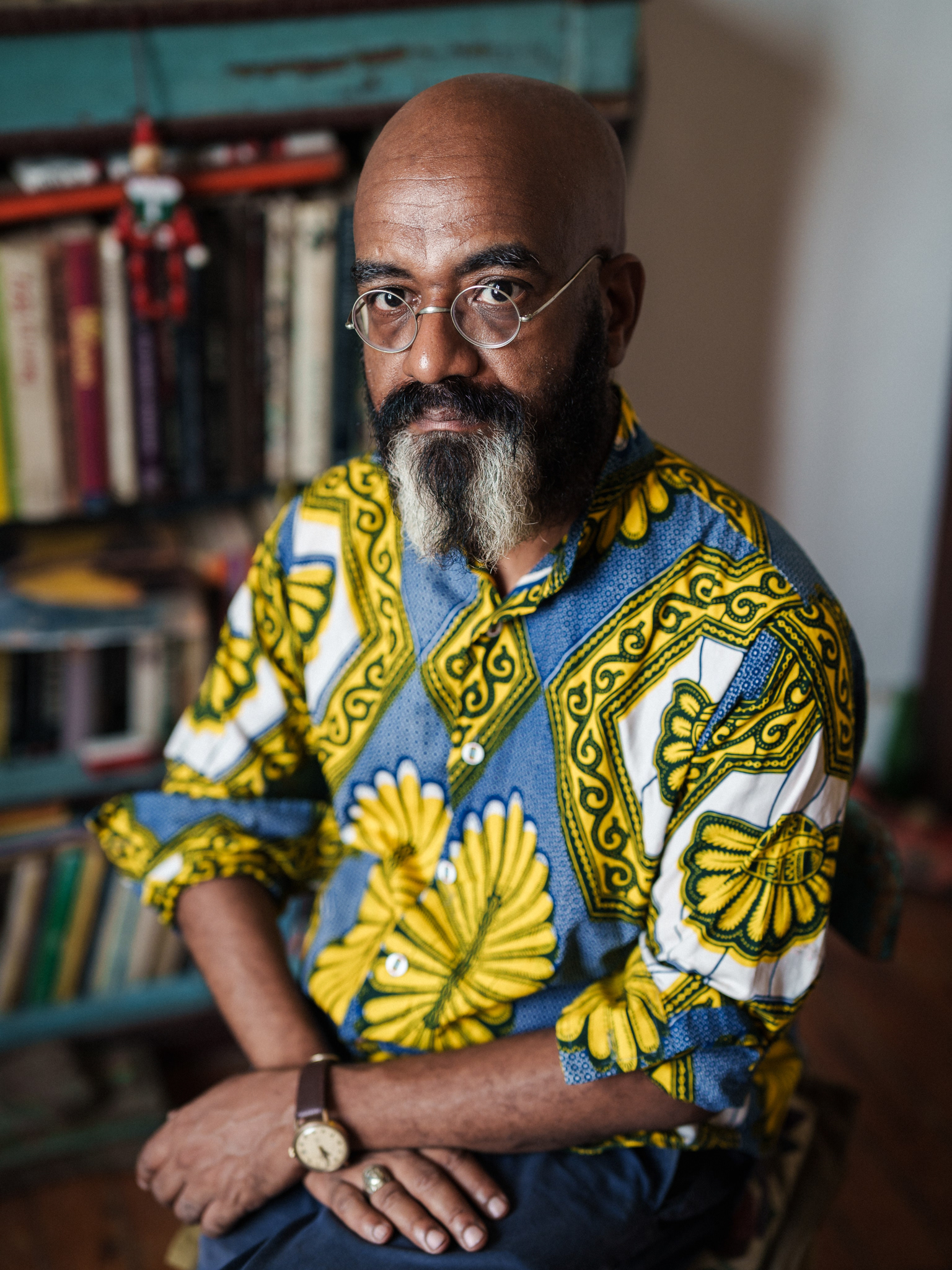
I photographed him in the apartment where much of that work comes to life. It is at once studio, gallery, library, and archive. Shelves bend under years of research. Masks hang beside photographs. Canvases wait against the walls while others are still taking shape. Nothing was arranged for the camera because nothing needed to be. The room had already become a portrait of the person who built it.
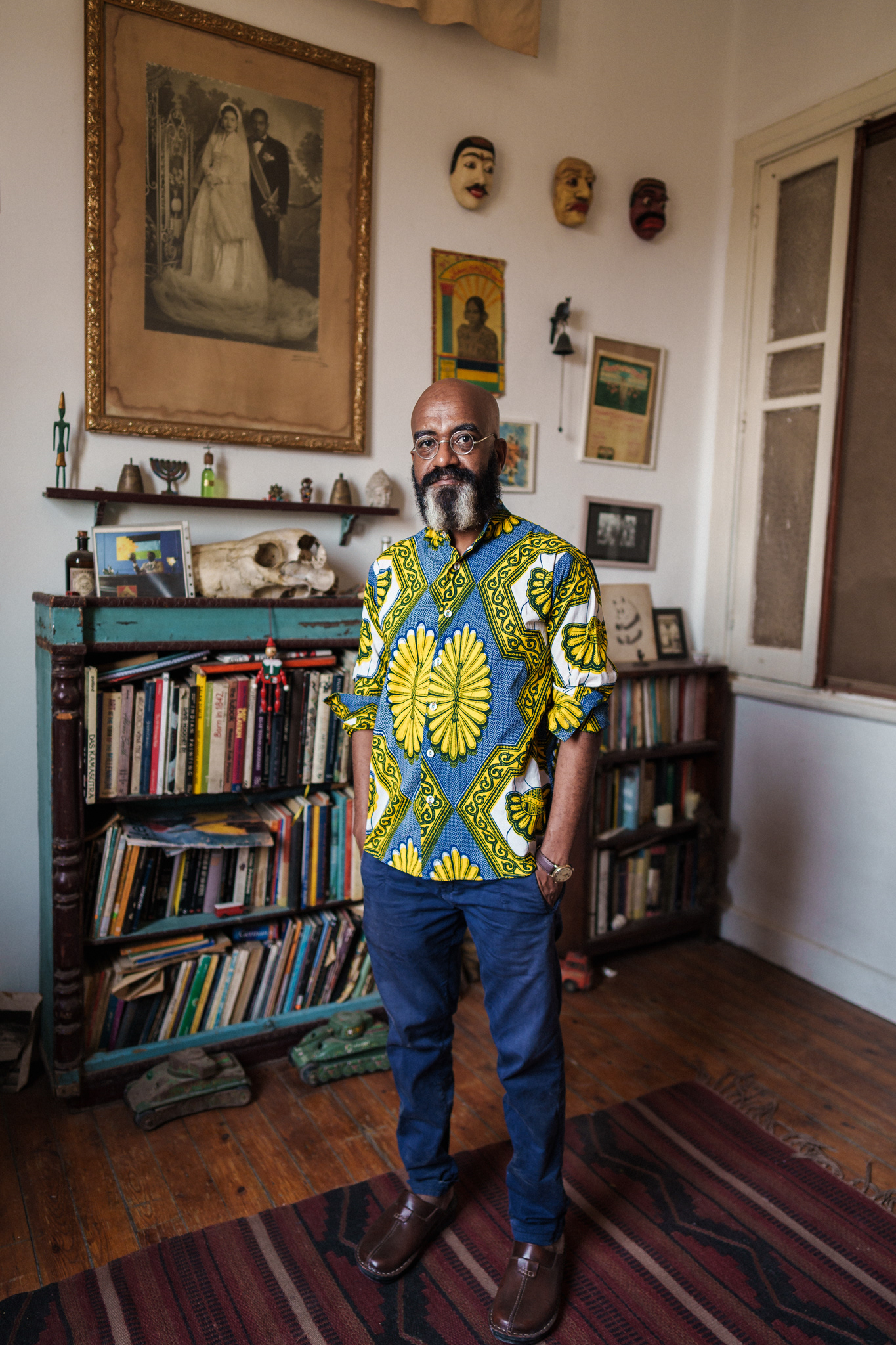
What interested me was not simply photographing an artist, but photographing someone whose life and work have become impossible to separate. Every object carries the weight of a question he has spent decades asking. Every wall speaks to an identity assembled across borders, histories, and inherited memories. Standing inside the space felt less like entering a studio than stepping inside the mind of the person who created it.
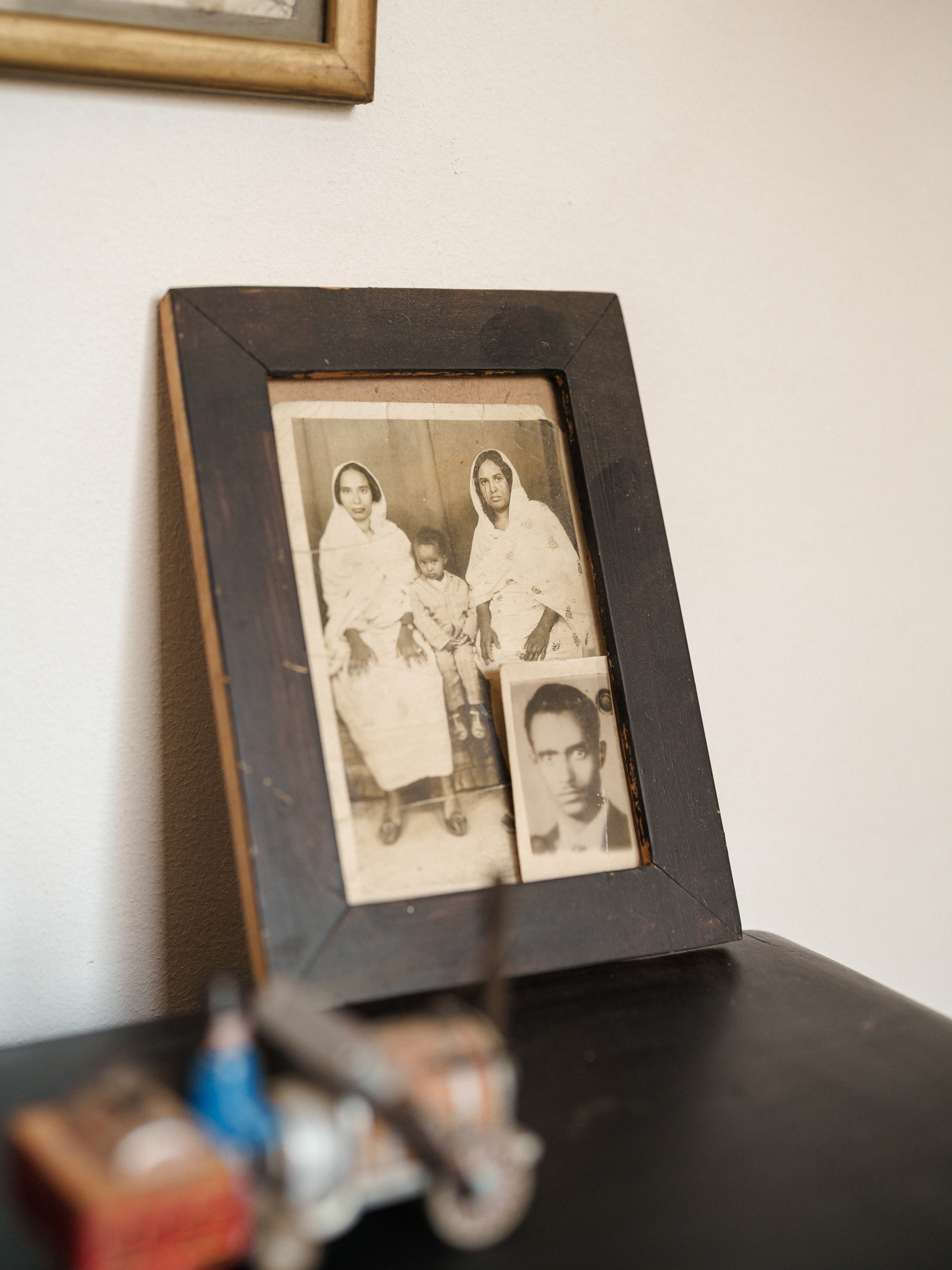
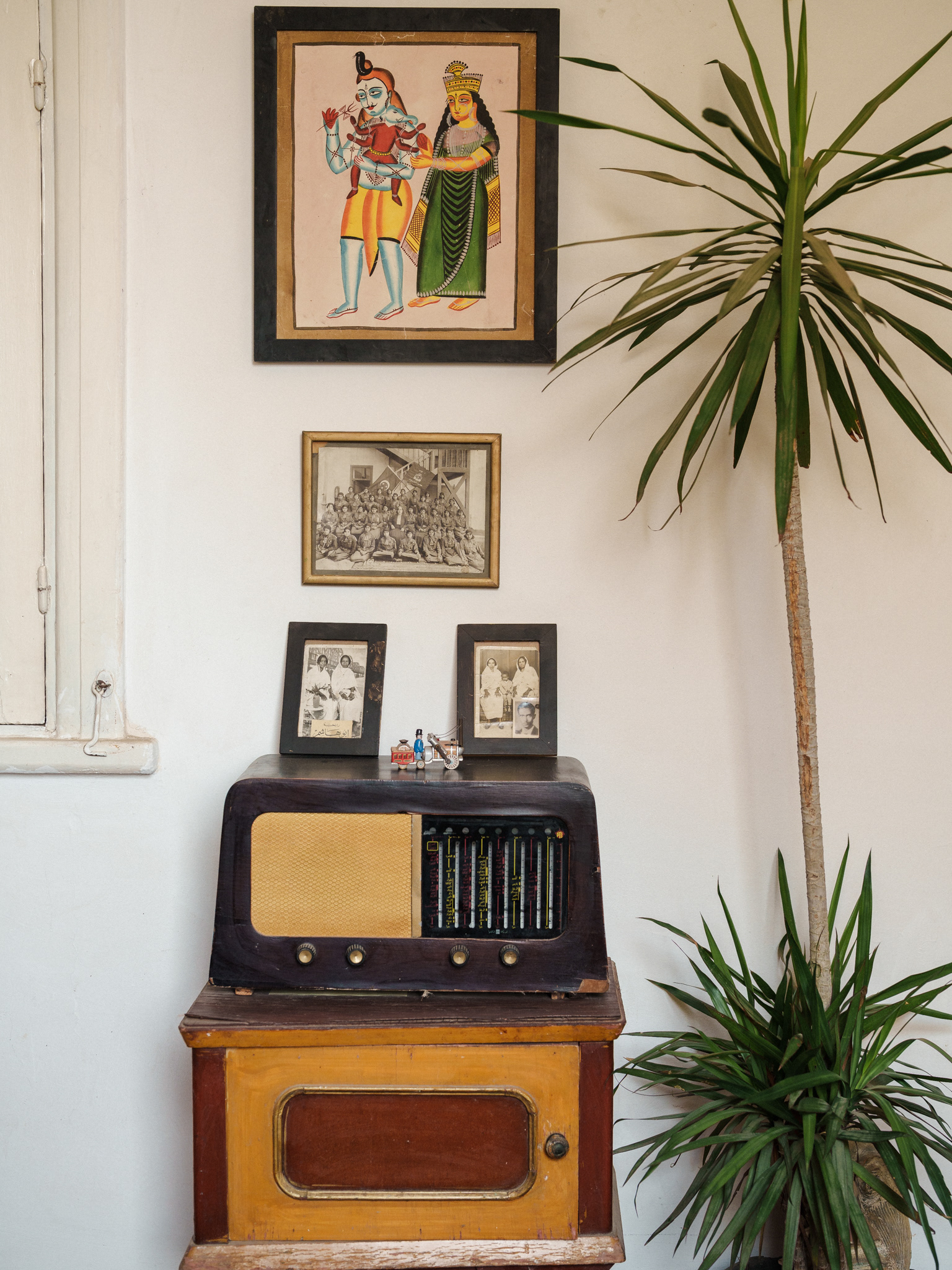
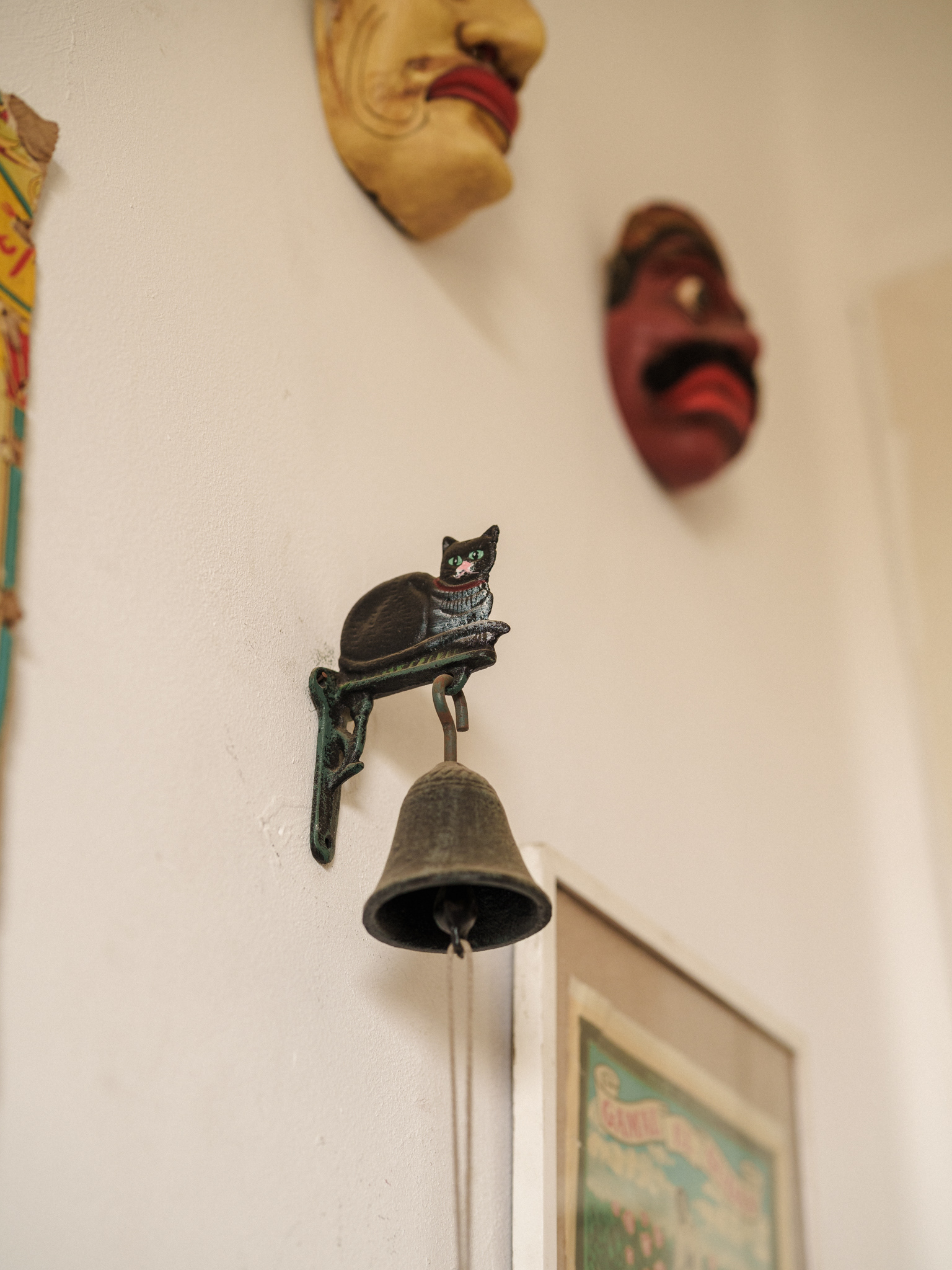
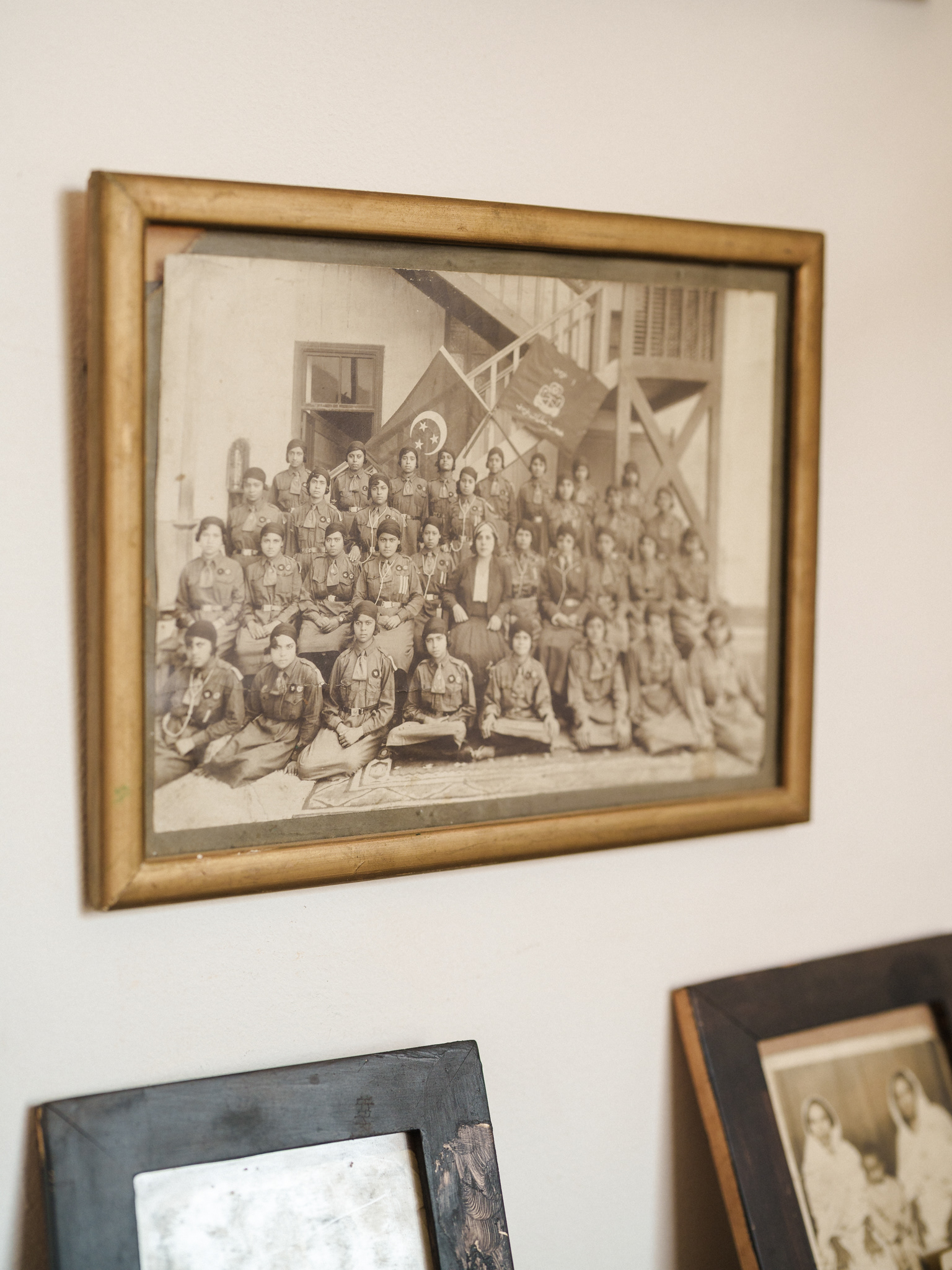
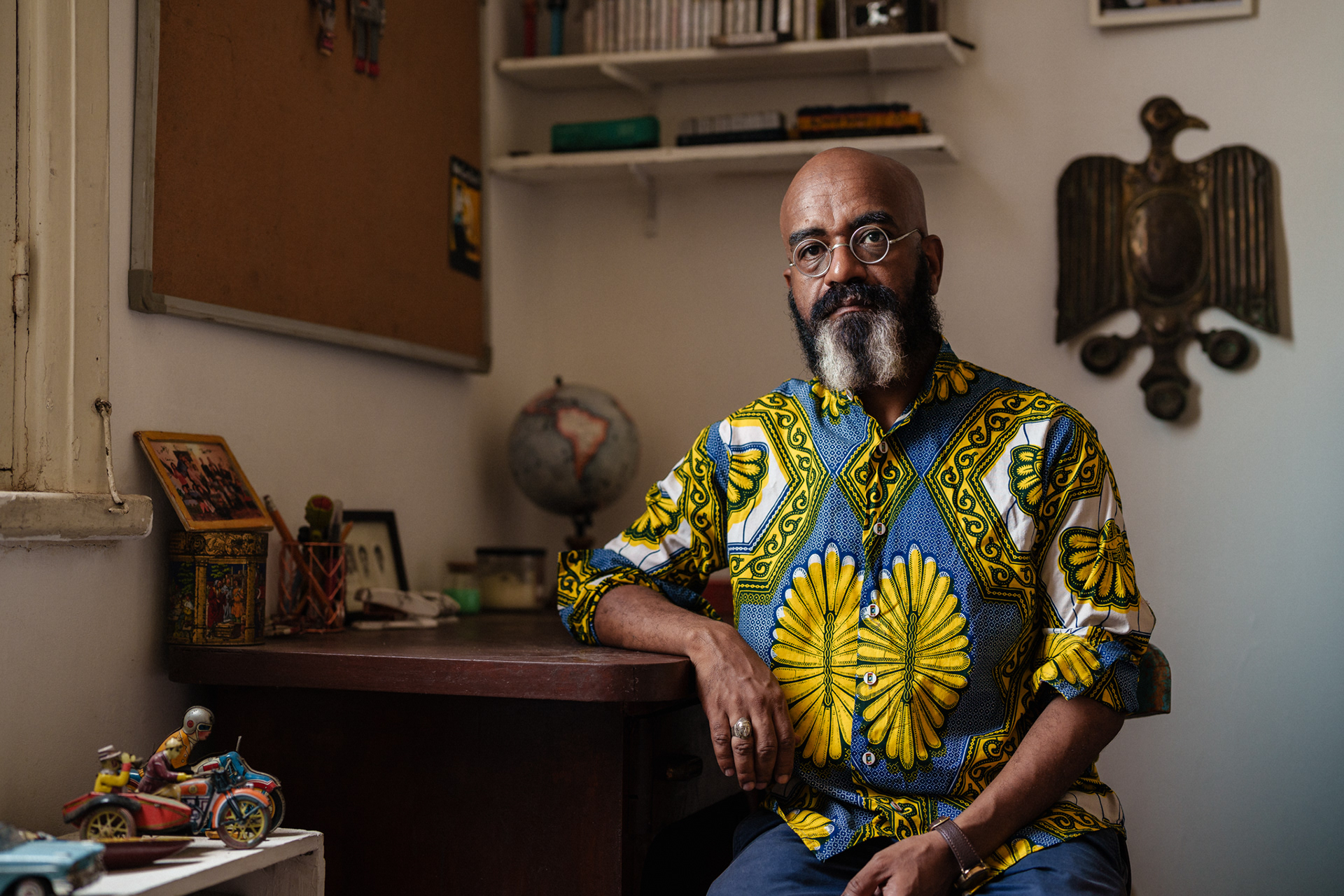
The portraits move between stillness and observation. At times Amado meets the camera directly, composed and unwavering. At others he disappears back into the work, brush in hand, continuing without performance or interruption. The photographs become less about likeness than about process, about witnessing a man who has devoted his practice to making forgotten histories visible while quietly becoming part of that history himself.
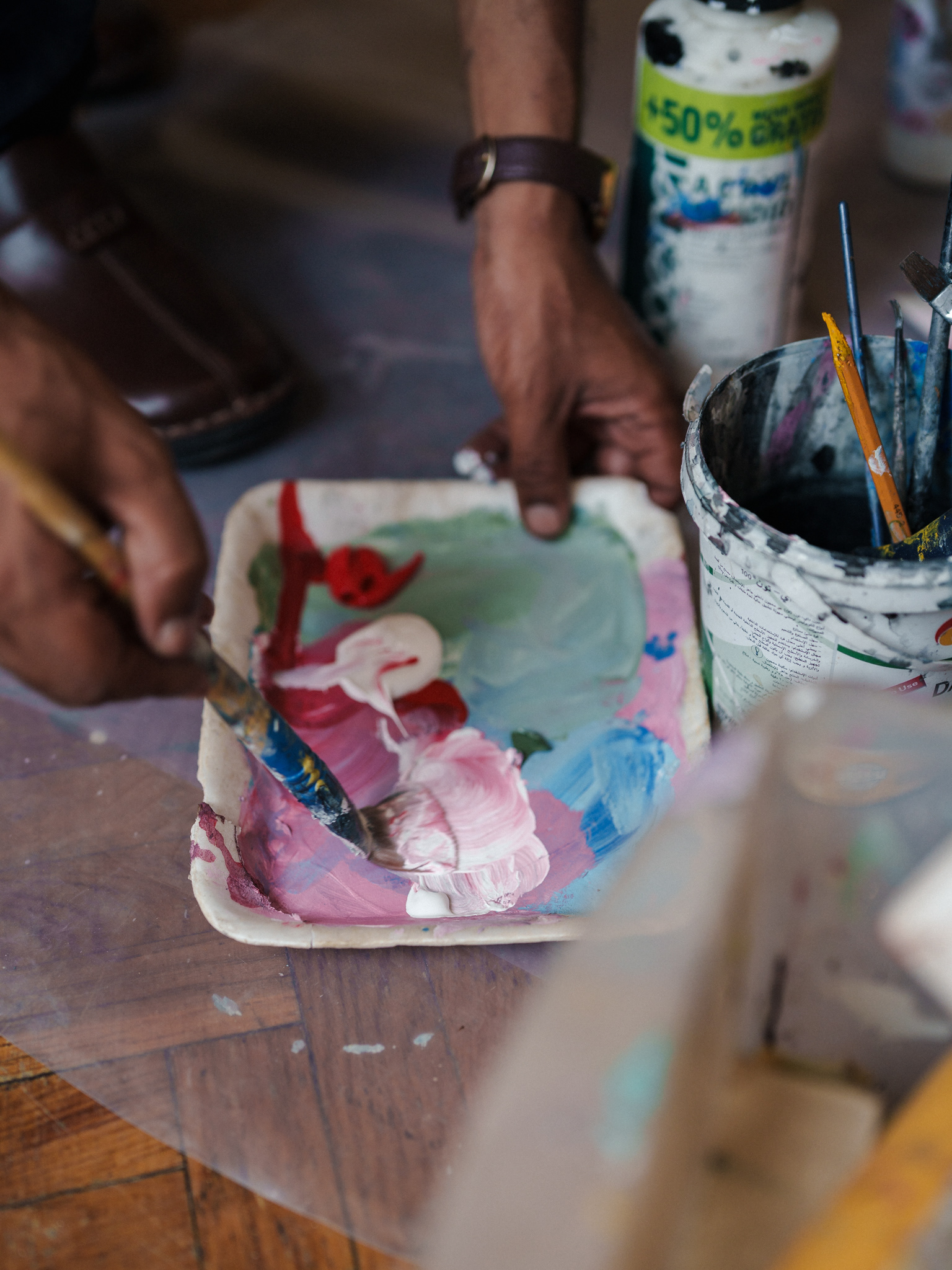
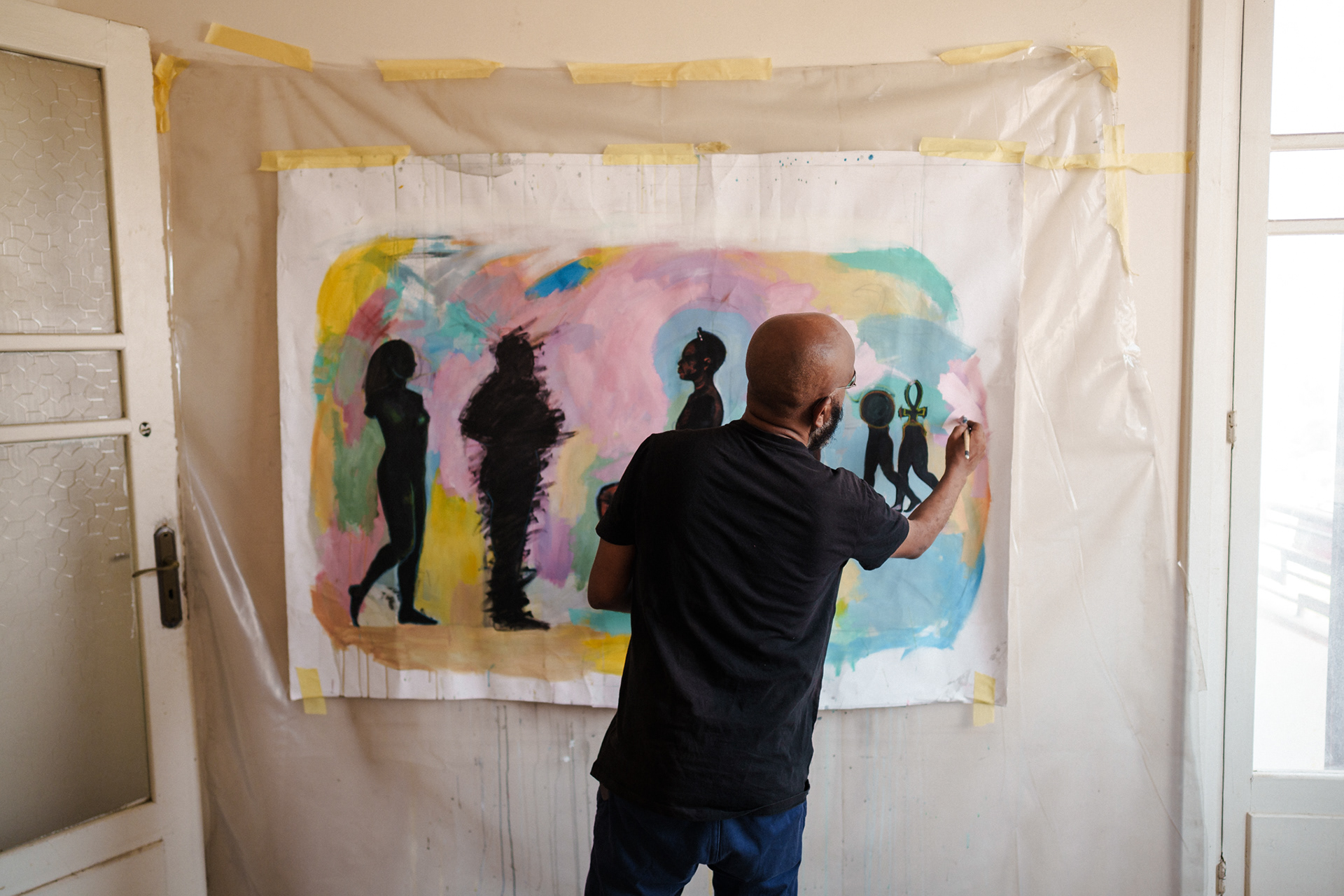
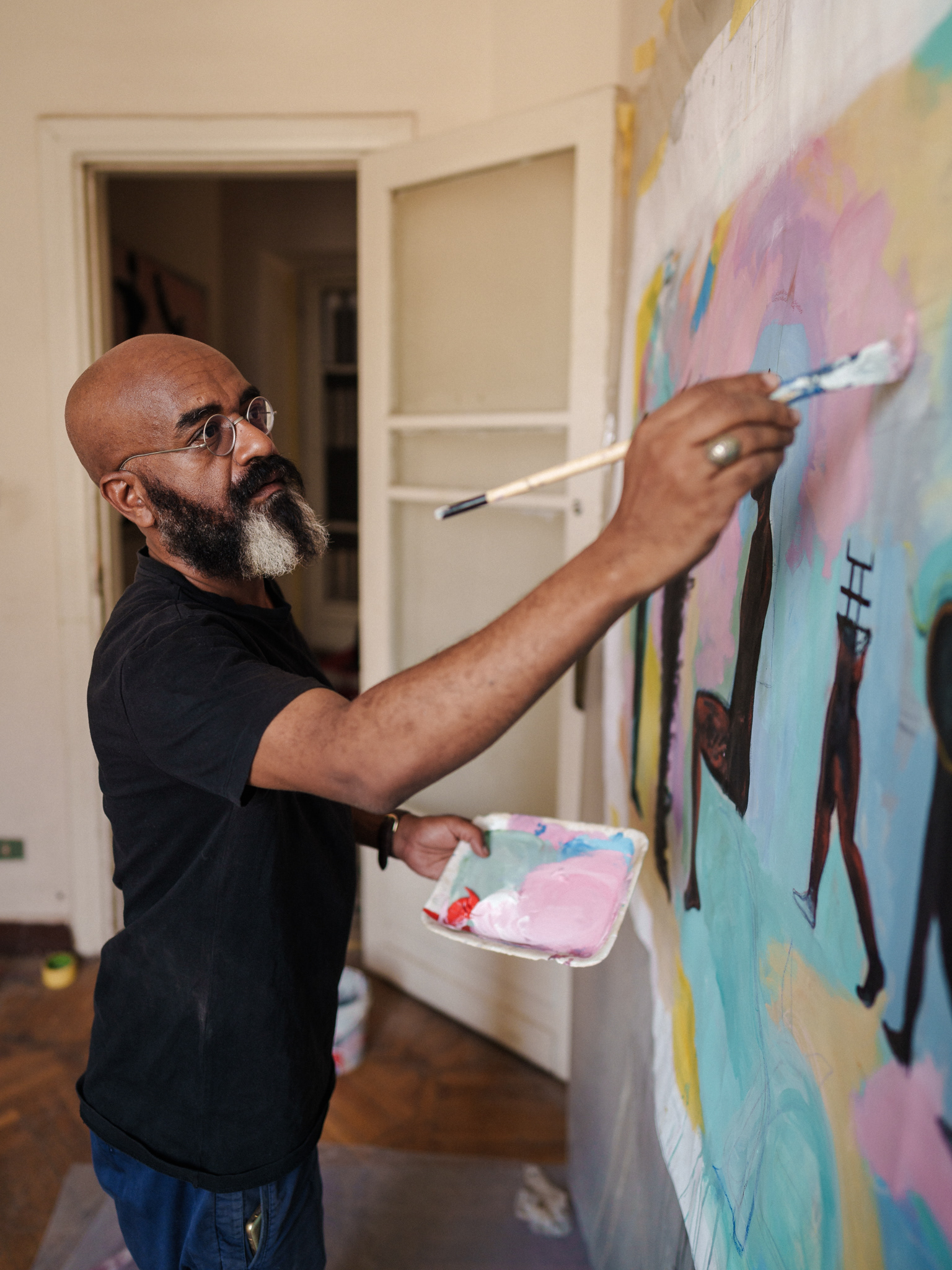
These portraits are not about an artist surrounded by his work. They are about a man who has spent a lifetime rebuilding memory, one image at a time. Photographing him meant looking beyond the archive to the person holding it together, reminding us that history is not only inherited. It is continually rewritten by those willing to see differently.
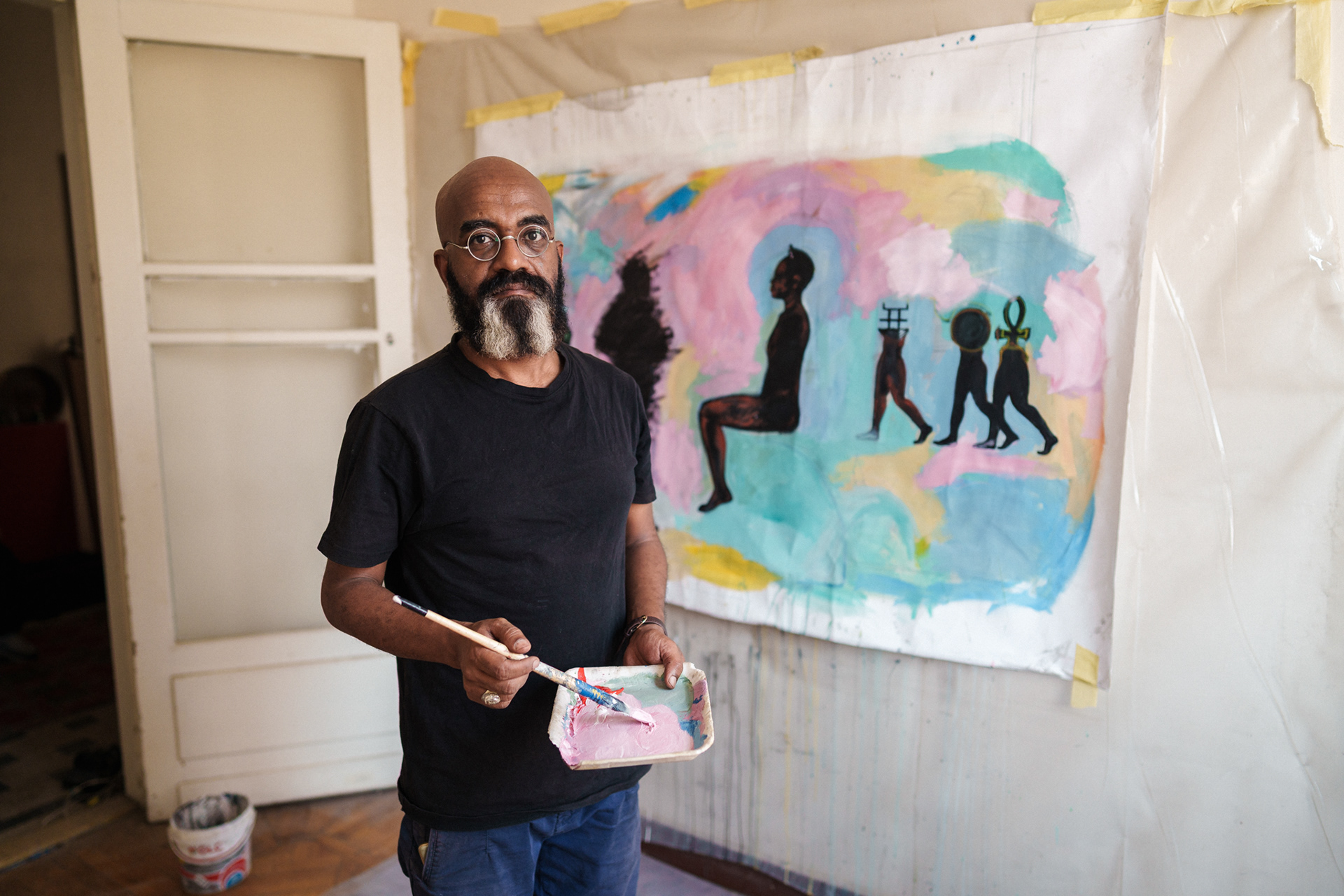
"My practice as a painter has afforded me a space to recreate an identity where my Nubian heritage meets my Cairene present." Amado Alfadni